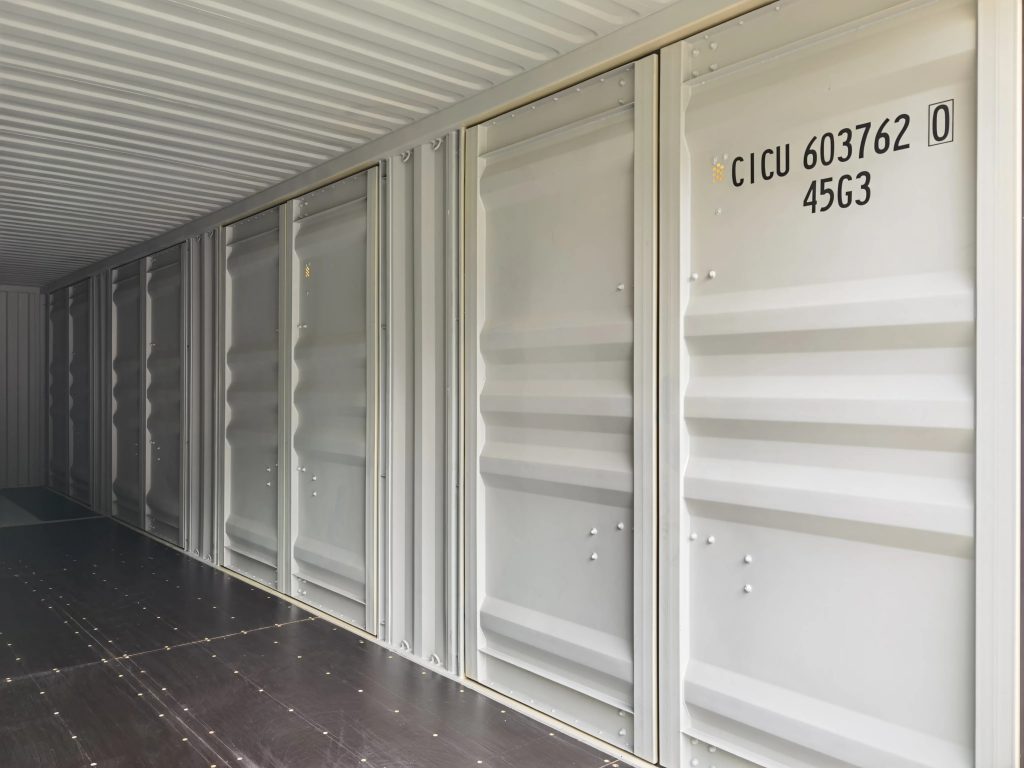
Understanding the 45-Foot Shipping Container: A Comprehensive Guide
In the extensive world of logistics and supply chain management, shipping containers have ended up being the foundation of international trade. Amongst 45 Foot Container For Sale of containers, the 45-foot container has taken a substantial specific niche for itself. This blog post will check out the dimensions, specifications, advantages, uses, and often asked concerns surrounding the 45-foot shipping container.
Introduction of Shipping Containers
Shipping containers been available in various sizes and types, designed to help with the transportation of items across land and sea. While the standard sizes are 20-foot and 40-foot containers, the 45-foot container uses a special solution for carrying larger amounts of cargo without jeopardizing efficiency.
Dimensions and Specifications
Below is a detailed table that describes the crucial specifications of the 45-foot container:
| Specification | Measurement |
|---|---|
| External Length | 45 feet (13.72 meters) |
| External Width | 8 feet (2.44 meters) |
| External Height | 9.5 feet (2.89 meters) |
| Internal Length | 44.5 feet (13.56 meters) |
| Internal Width | 7.8 feet (2.34 meters) |
| Internal Height | 8.5 feet (2.59 meters) |
| Maximum Gross Weight | 30,480 kg (67,200 lbs) |
| Maximum Payload Weight | 28,000 kg (61,700 lbs) |
Types of 45-Foot Containers
There are a number of variations of the 45-foot container, designed for various cargo needs:
- Standard 45-Foot Container: Used for basic cargo.
- High Cube 45-Foot Container: Offers extra height for bulkier items, with an increase in internal height to approximately 9.5 feet.
- Reefer 45-Foot Container: Temperature-controlled containers created for perishable goods.
- Open Top 45-Foot Container: Designed to bring large cargo, enabling packing from the top.
Advantages of 45-Foot Containers
The 45-foot shipping container provides a number of benefits that make it an appealing choice for carriers:
- Increased Capacity: Provides 12.5% more space than a standard 40-foot container, enabling transportation of a larger volume of products.
- Versatility: Suitable for various kinds of cargo, consisting of bulk products, machinery, and perishable products.
- Economical Shipping: Long-haul shipping frequently presents cost savings in terms of per system transferred, making it perfect for bulk suppliers.
- Eco-Friendly Option: Utilizing a larger container can lower the carbon footprint per system of goods transported.
Typical Uses
The flexibility of the 45-foot container suggests it can serve numerous industries and functions:
- Retail and Wholesale: Transporting large amounts of customer products.
- Production: Delivering parts and devices to production facilities.
- Food Industry: Ensuring that perishables reach their location in a timely manner using reefer containers.
- Construction: Carrying building materials and equipment between websites.
The 45-foot shipping container is a crucial player in the logistics and shipping industry. Its spacious design and adaptability accommodate a myriad of shipping needs, making it an important possession for services seeking performance and cost-effectiveness.
In a continuously evolving international market, comprehending the specifications and advantages of the 45-foot container can empower companies to make educated choices concerning their shipping strategies.
Regularly Asked Questions (FAQs)
What is the primary usage of a 45-foot shipping container?
- The 45-foot container is mostly used for carrying bigger volumes of goods, ideal for general cargo, commercial applications, and perishable products.
How much weight can a 45-foot container hold?
- The optimum payload for a 45-foot container is approximately 28,000 kg (61,700 lbs), however this can differ based upon the provider.
Are 45-foot containers readily available for rent?
- Yes, lots of shipping companies and logistics firms offer 45-foot containers for lease, accommodating differing transport needs.
Can I deliver extra-large cargo in a 45-foot container?
- Yes, 45-foot open-top containers are particularly developed to accommodate oversized cargo, enabling filling from the top.
What should I think about when picking a shipping container?
- Factors consist of the kind of goods, weight, shipping range, and whether the items require temperature control.
By considerably boosting shipping capability and versatility, the 45-foot container is a potent choice for businesses aiming to optimize their logistics procedures. As industries continue to broaden, the utilization of this container type guarantees that products are carried effectively and sustainably.